
Linx IT Blog

In an era where we are told that AI can generate all our marketing content with a single click, the reality on the ground often tells a different story. While AI is a powerful ally, achieving brand consistency, high-resolution quality, and reproducibility remains a significant challenge for automated systems alone.

In 2026, the possibilities for content creation seem infinite. With Generative AI, we can now produce dozens of variations of a single concept in seconds. From localized product packaging to hyper-personalized lifestyle imagery, the "content explosion" is no longer a prediction, it is our daily reality.
But here is the catch: Generating content is now easy; managing it has become the real challenge.
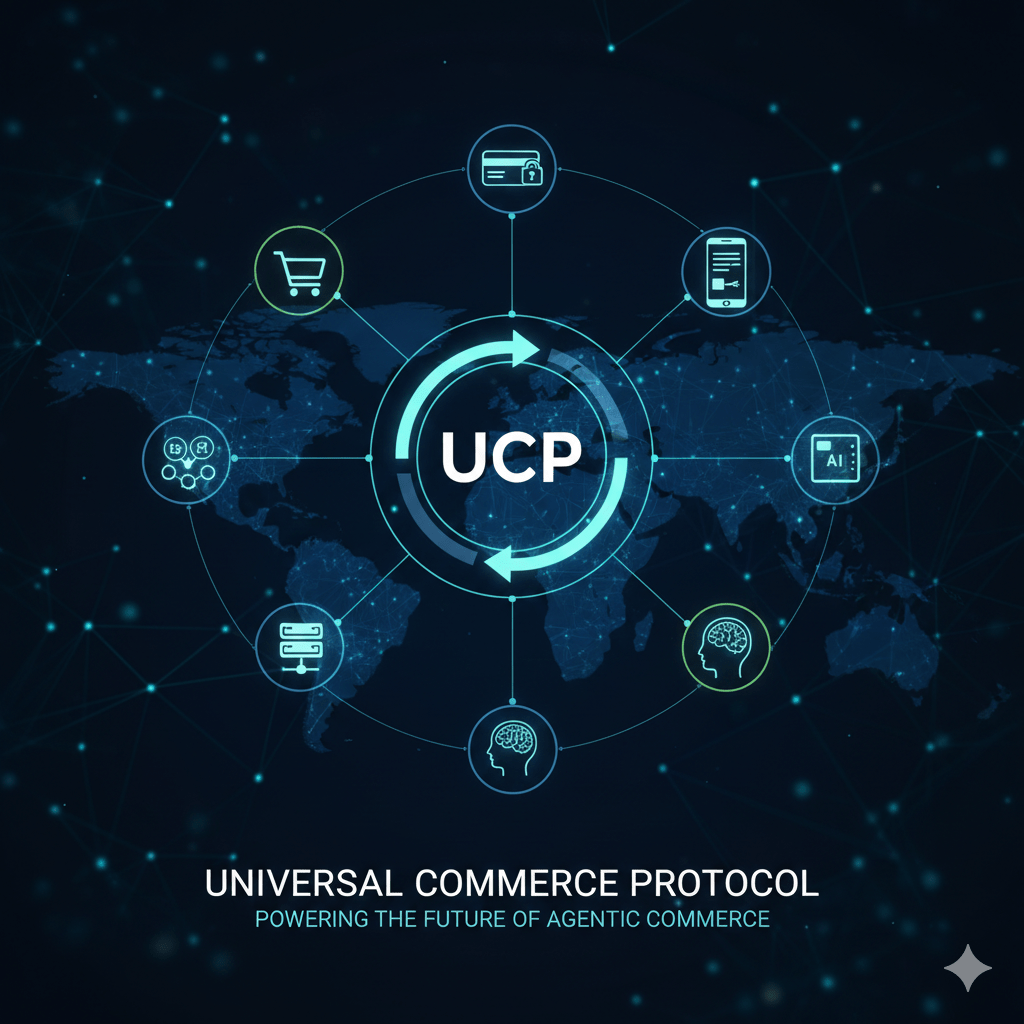
The Universal Commerce Protocol (UCP) is an open-source standard designed to power the next generation of agentic commerce. By establishing a common language and functional primitives, UCP enables seamless commerce journeys between consumer interfaces, businesses, and payment providers. It is built to work with existing retail infrastructure and is compatible with the Agent Payments Protocol (AP2) to provide secure support for agentic payments. Additionally, it offers businesses flexible integration paths via APIs, Agent2Agent (A2A), and the Model Context Protocol (MCP).

For many e-commerce businesses, the Web Content Accessibility Guidelines (WCAG) are viewed as a bureaucratic hurdle, a compliance necessity primarily aimed at government or public sector websites. However, viewing WCAG purely through the lens of legal obligation is a critical mistake. It leads to the exclusion of a massive, loyal, and lucrative customer base, costing your business significant potential revenue. Simply put: accessibility is not a cost center, it is a market strategy.
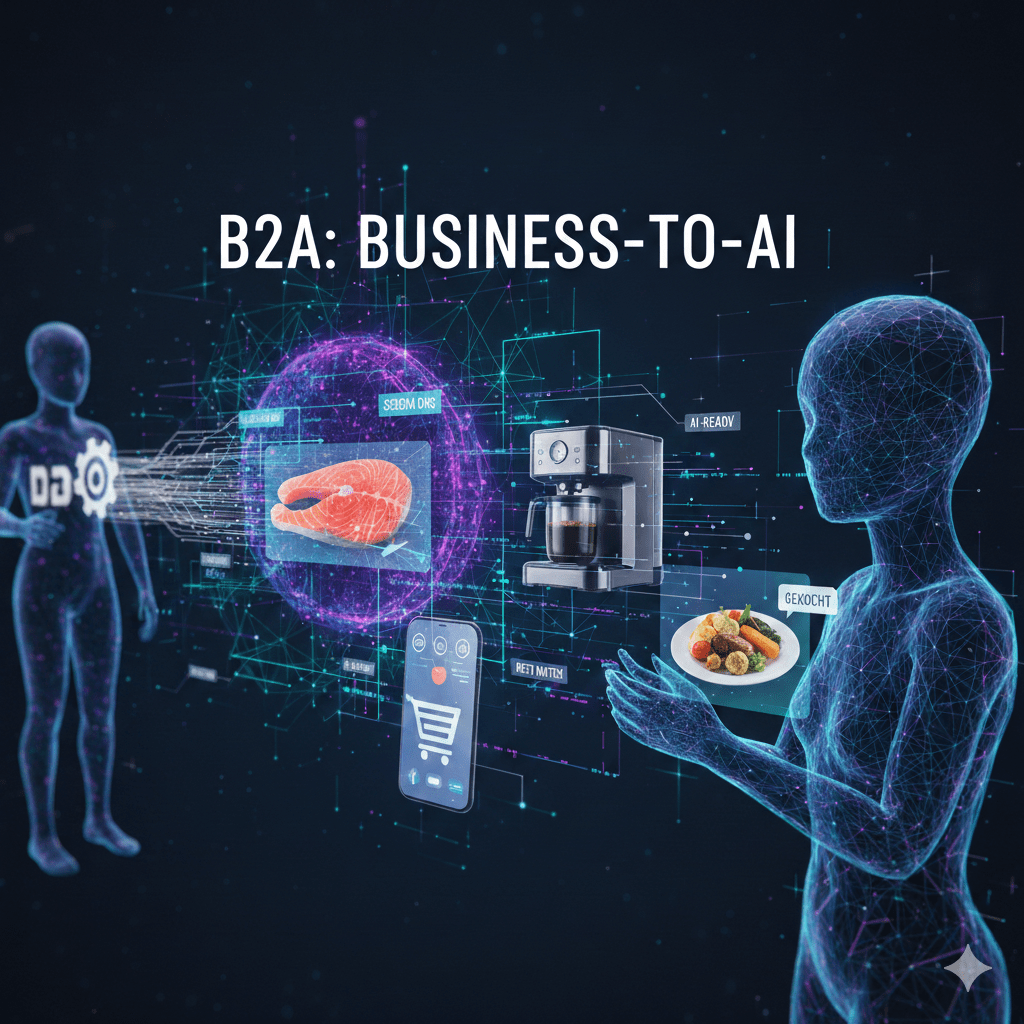
In the world of marketing and e-commerce, we have been trained for decades to think in two flavors: B2B (Business-to-Business) and B2C (Business-to-Consumer). But while we are still busy optimizing the human customer journey, a new, disruptive player has appeared on the field: B2A (Business-to-AI).
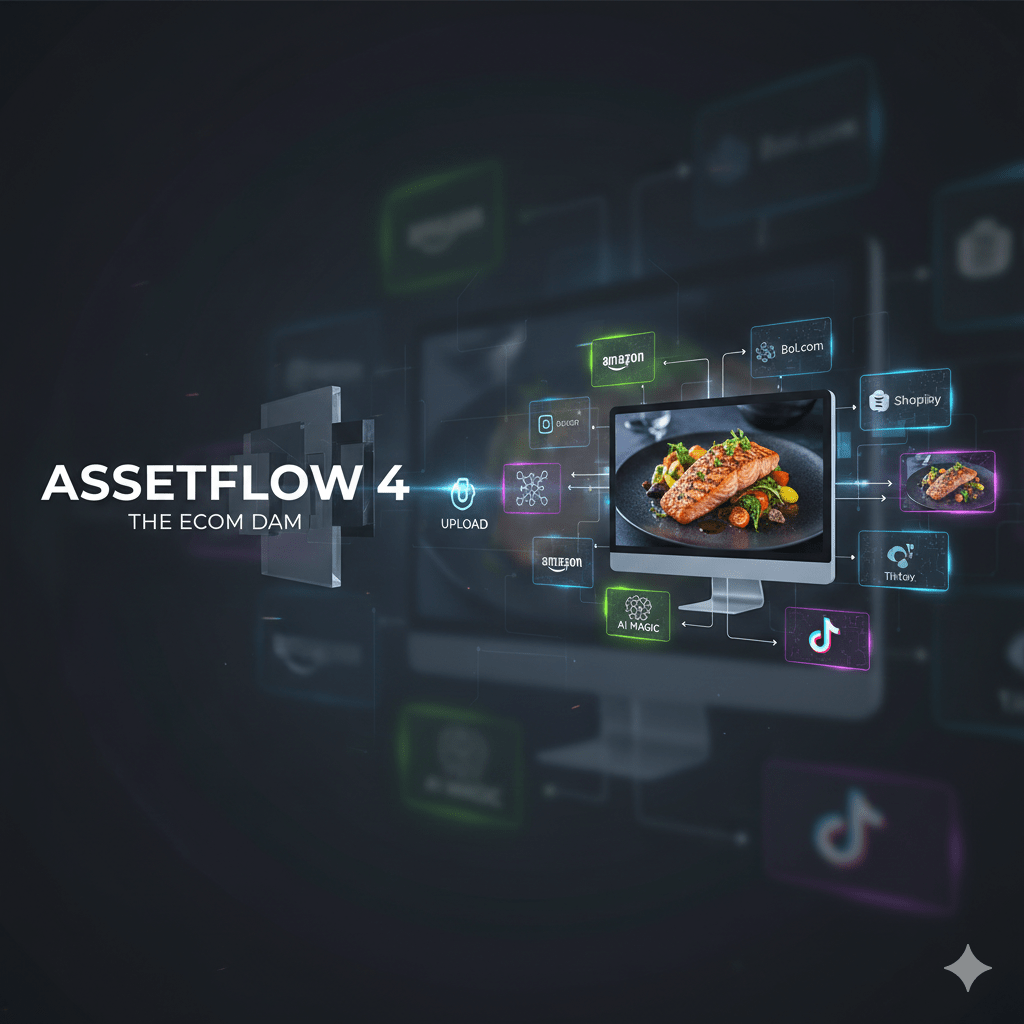
In today's e-commerce market, quality visual content is the most important conversion factor. However, for many organizations in the Benelux, a Digital Asset Management (DAM) system still acts as a static filing cabinet. But in a landscape where speed and consistency are crucial, you need more than just storage. With the introduction of AssetFlow 4, Linx IT Solutions sets the new standard: the Ecom DAM. This system is not just a place to keep files, but an active production environment that fully automates the marketing/ecommerce workflow. The bottleneck: Inconsistent delivery by external parties

ChatGPT is getting a new feature that makes the research around purchases a lot easier. Instead of sifting through countless websites yourself, you can simply describe what you're looking for, from the quietest stick vacuum cleaner to a gift for a creative four-year-old niece. The tool asks specific questions, retrieves up-to-date information from reliable sources and converts everything into personal buying advice.

Agentic shopping is rapidly shifting from a vision of the future to reality. Services such as Perplexity, Google and ChatGPT are introducing AI agents that search, compare, select and sometimes even order on behalf of consumers. You no longer have to plough through ten tabs of reviews, prices, and size charts yourself—a digital assistant does the thinking. The result: shopping is changing from a manual activity to an outsourced process.

Reuters reported on October 1: Meta Platforms (META. O), opens new chapter, reporting Wednesday, November 12, 2025 that it will begin using human interactions with its generative AI tools to personalize content and ads on apps like Facebook and Instagram starting December 16. Users will be notified of the changes from October 7 and will not have an option to opt out, the social media giant said, though the update only applies to those who use Meta AI.

One subscription. All the AI tools your team needs. Unlock AI power for ecom and marketing teams, no hassle, no extra accounts. Are you ready for a new era of retail content creation? We’re excited to announce a major update at Retailportal.nl: our cutting-edge AI-driven tools, once exclusive to eCommerce content professionals, are now available to all retail teams with a single, easy subscription.
AI is making a bold entrance into the fashion world. What once seemed like futuristic experiments with digital models has now become the new norm in international campaigns — as seen in the recent AI-generated Guess ad in Vogue. Fashion brands are discovering that AI offers not only speed and cost efficiency, but also unprecedented creative freedom. From rapid product visuals to personalized campaigns, AI is reshaping how brands think, create, and communicate.
Still, the challenge lies in balancing technology with human authenticity. Consumers crave transparency and relatability, not just digital perfection. The future of fashion therefore lies not in human or machine, but in their collaboration — with brand story, style, and vision as the guiding compass.
Discover how Linx IT Solutions’ AI Toolkit empowers brands to create innovative eCommerce content — fast, scalable, and aligned with their unique identity.
As of October 9., Google has started rolling out its AI-powered search mode to 36 new countries. That means millions of new users are now experiencing a smarter, more conversational version of Google Search, one that doesn’t just show links but actually summarizes, explains, and recommends content using artificial intelligence. In plain terms: Search is no longer just about keywords. It’s about context and intent.